
Remote and hybrid work is here to stay, and while there were some organizations that had remote workers before, it was likely a big adjustment to manage a whole team that way for a lot of leaders.
As managers, it’s vital to be able to coach employees as well as manage them. Our infographic, “From Managers to Coach: 7 Development Tips” provides tips on when coaching is most effective and the skills needed to develop into confident coaches.
Knowing how to coach virtually is beneficial regardless of the pandemic, so it’s important to look at what makes a good coach.
What Makes a Good Coach?
The International Coach Federation defines a coach as someone who “…inspires one to maximize their personal and professional potential through a strategic and creative process.”
Coaches have the goal of making people realize their potential, but what skills go into helping people be their best selves?
Listening Well
Coaches need to listen more than they respond. Listen to what an employee isn’t saying by paying close attention to their words, their implication, and their tone. Let those things guide your conversations with your employees, since body language is hard to read virtually.
Being Humble
It’s important to know that this is a two-way conversation and not just a chance for you to unleash criticism and feedback without also hearing some. It’s a time to turn off the ego and listen and explore what your employee is feeling. You may not know all the answers, and that’s okay.
Building Trust
Becoming a good coach takes time and involves building up your credibility and reliability. Showing an employee that you have both of those things further builds trust and makes for a strong relationship.
Communicating Effectively
As a coach, you will need to be able to frame and ask questions, and then be able to navigate difficult conversations that develop from those questions.
Developing Emotional Intelligence
Effective coaches use skills in social awareness and relationship management to reach, guide, and develop every team member. To accomplish these results, coaches require a developed sense of emotional intelligence to read and understand people and to respond to the wide variety of situations that will arise.
Our infographic, “Developing the Coaching Skills of Your Managers and Leaders,” discusses why coaching skills are important and provides coaching models to use.
Setting the Tone for Meetings
With all employees, you should check in with them more often through casual conversations. This can help alleviate some of the pressure of one-on-one meetings.
When it comes to remote employees and their one-on-one meetings, you may have to use different tactics. They don’t have the privilege to pop by and ask a question, so they may save it until a scheduled meeting. You may need to carve out a longer chunk of time for them and make sure all their questions and concerns are addressed.
Before having these meetings, make sure you have a process in place and keep the conversation moving. Implementing a process that helps to guide coaching conversations can drastically improve your interactions. Once you develop a framework for how these meetings will go, every conversation can be a coaching moment used to draw the best out of your employees.
Using the Right Means to Communicate
When coaching virtually, there are a few ways employees can interact with you – video, phone, and email – and you will need to base your decision on what works best for the given situation or the content being shared.
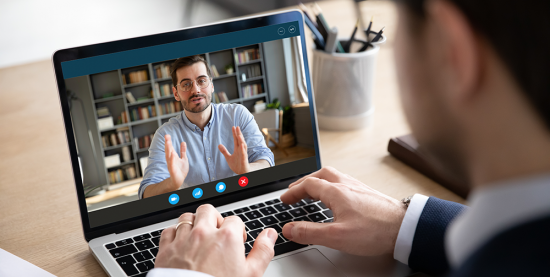
Video meetings are beneficial because you can see and hear one another and can better gauge tone, intention, and body language. Most video hosting platforms also have the ability to share your screen which can aid in delivering content and instruction.
While phone calls lose the visual element, they make it easier to truly listen and hear what is being said. It is also the quickest way to connect with your employees. Using the phone is best for low stakes conversations rather than in-depth or serious conversations.
Email is great for posing questions and allowing your employee to think on their answers, but it is not great for immediate feedback.
Flexibility is key here since you need to be able to switch platforms if employees are unfamiliar with the technology, there is a poor internet connection, or the conversation switches to something that might be better suited on another platform.
Meeting Etiquette Matters
When meeting with your employees, there are a few things to consider in order to eliminate distractions.
All members of the meeting, whether it is one-on-one or a group meeting, need to agree not to multitask for the duration of the video chat or phone call. This means silencing text messages, not replying to emails, and not looking at other browser windows if they’re not relevant to the conversation.
Make sure that you are aware of your surroundings as well. Just like you would seek out a conference room or office for these meetings at work, you’ll need some privacy for any coaching sessions you do. Maintaining confidentiality will be key, so pick a quiet place that will have minimal to no interruptions. However, if you do expect an interruption – children, pets, spouse, delivery – just let the other attendees know ahead of time.
For more tips on working and managing employees virtually, check out our Work…But Virtual series full of guides to help solve remote work roadblocks.